FAQ's of Antioxidant AO 1010:
Q: How is Antioxidant AO 1010 typically used in manufacturing processes?
A: Antioxidant AO 1010 is commonly blended into polymers such as polyethylene, polypropylene, and other plastics during processing. It serves to protect materials from oxidative degradation and thermal stress, helping extend the shelf life and maintain the quality of products.
Q: What are the primary benefits of including AO 1010 in polymer applications?
A: AO 1010 offers excellent thermal stability, non-toxicity, and broad compatibility with numerous polymers. Its use increases product lifespan, improves color retention, and prevents material degradation during manufacturing and end use.
Q: When should AO 1010 be added during the production cycle for best efficacy?
A: AO 1010 should be incorporated into the polymer blend during the compounding or extrusion stage, ensuring thorough dispersion and optimal antioxidant performance throughout the material.
Q: Where can AO 1010 be stored to maintain its stability over time?
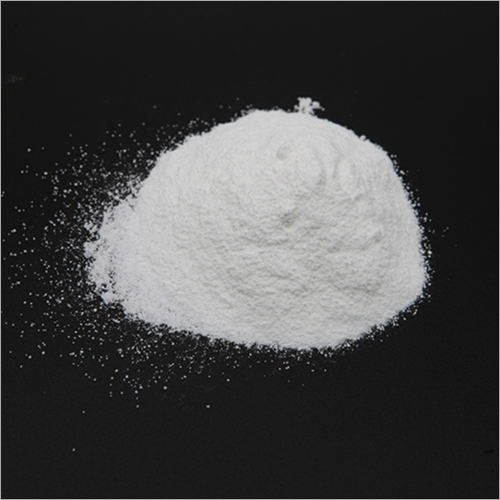
A: AO 1010 should be stored in a cool, dry environment, away from direct sunlight and moisture. Proper storage preserves its white crystalline appearance and ensures its effectiveness for up to 2 years.
Q: What is the process for ordering and receiving Antioxidant AO 1010?
A: Customers select their requirements, place an advance order, and complete agreed payment terms. Orders are then processed and dispatched from the FOB port in India, usually in 25 kg drums or bags, accompanied by full compliance documentation.
Q: Is Antioxidant AO 1010 safe for use and transport in standard conditions?
A: Yes, AO 1010 is classified as non-poisonous and non-hazardous for transport. Under recommended guidelines, it poses no toxic risk and is safely handled in industrial production environments.

 08045800156




 Send Inquiry
 Send Inquiry
 Send SMS
 Call Me Free

