Product Description
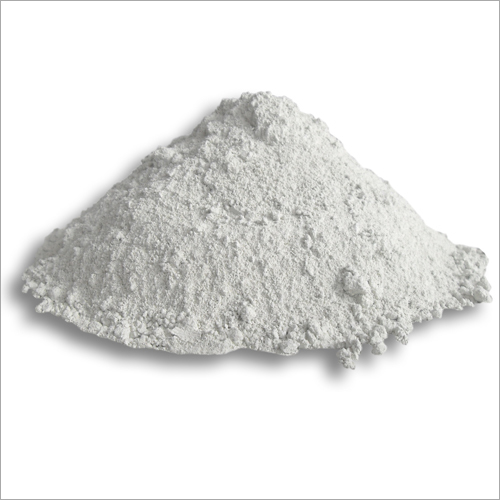
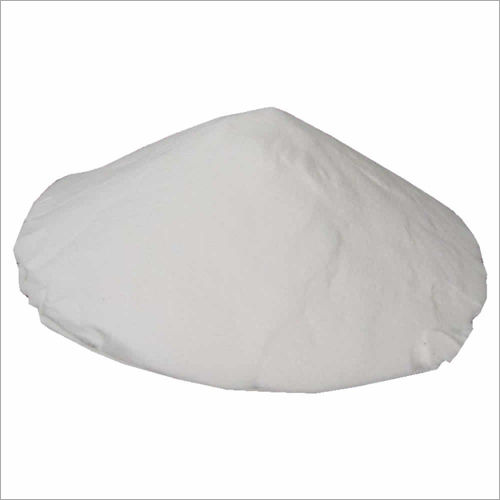
Zeolite is a mineral composed of hydrated aluminosilicates of sodium, calcium, and potassium. It is a natural crystalline substance with high cation exchange and adsorption capacities. It is used as a filtration and adsorption medium, as a soil amendment, and as a catalyst. It is also used in wastewater treatment, air purification, and odor control.
Superior Ion Exchange PerformanceZeolites outstanding ion-exchange capacity and microporous structure make it highly effective for removing harmful cations and contaminants from water and various solutions. Its high surface area allows for efficient adsorption, making it a preferred choice for industrial and environmental applications.
Versatile Industrial ApplicationsThis technical-grade zeolite is extensively used in water purification, gas absorption, detergents, catalysts, and as a feed additive in agriculture and animal husbandry. Its non-toxic, high-purity composition ensures safe use in diverse environments, including sensitive applications requiring stability and purity.
Stable and Reliable MaterialZeolite is stable across a wide pH range and maintains its structure and properties even at elevated temperatures up to 700C. Its insolubility in water and resistance to heavy metals further enhance its suitability for continuous and demanding industrial operations.
FAQs of Zeolite .:
Q: How is zeolite used in water purification processes?
A: Zeolite acts as an ion-exchanger and adsorbent in water purification by capturing heavy metals, ammonia, and unwanted minerals from the water. Its high cation exchange capacity allows it to efficiently remove these contaminants, resulting in cleaner and safer water.
Q: What are the main benefits of using technical-grade zeolite in industrial applications?
A: Technical-grade zeolite provides high ion-exchange capabilities, excellent adsorption properties, chemical and thermal stability, and non-toxicity. These features make it ideal for a wide range of uses, including gas absorption, catalysis, and improving soil quality in agriculture.
Q: When should zeolite be replaced or recharged in filtration systems?
A: Zeolites lifespan varies depending on the concentration of contaminants and the volume of material processed. It is generally recommended to monitor system performance regularly and replace or regenerate the zeolite once there is a noticeable reduction in removal efficiency.
Q: Where should zeolite be stored for optimal shelf life and performance?
A: Store zeolite in a cool, dry area away from moisture in its original 25 kg HDPE or jumbo bags. Proper storage conditions ensure it maintains its structural integrity and effectiveness for the full 24-month shelf life from the date of manufacture.
Q: What is the recommended particle size for industrial separation and catalyst uses?
A: With a particle size range of 80100 mesh, this zeolite offers the optimal balance between surface area and flow characteristics, making it well-suited for industrial separation processes and use as a catalyst or molecular sieve.
Q: How does zeolites stability benefit high-temperature industrial processes?
A: Zeolites thermal stability up to 700C and pH stability from 4 to 11 enable reliable performance in high-temperature and fluctuating pH environments, maintaining its adsorption and ion exchange properties without degradation.

 08045800156

 Send Inquiry
 Send Inquiry
 Send SMS



