Product Description
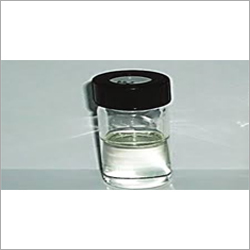
Polyglycerol polyricinoleate, E476, is an emulsifier made from glycerol and fatty acids. In chocolate, compound chocolate and similar coatings, PGPR is mainly used with another substance like lecithin to reduce viscosity.
Enhance Chocolate Quality EffortlesslyPolyglycerol Polyricinoleate (PGPR)13 is renowned for its ability to reduce chocolate viscosity, enabling smoother mixing, better mold filling, and an overall refined mouthfeel. Its neutral taste and slight fatty aroma ensure it does not impact the flavor profile, making it ideal for professional confectionery production. PGPR13 also assists in ensuring consistent texture and processing efficiency, supporting high-quality results every batch.
Safe and Compliant for Food ApplicationsThis additive is food-grade with a purity of 99%, verified to be free from heavy metals, arsenic, and lead within stringent regulatory limits. With its allergen-free and GMO-free composition, it's safe for a wide range of dietary restrictions. PGPR13's physical stability and shelf life of up to 24 months when properly stored guarantees its reliability in diverse manufacturing environments.
Versatile Use Across IndustriesPGPR13's unique properties-water insolubility and high solubility in fats and oils-make it an excellent choice not only for confectionery but also for bakery, margarine, and other food processing industries. Its molecular structure supports emulsification, improving product texture, and supporting consistent manufacturing workflows across large-scale and artisanal setups.
FAQ's of Polyglycerol Polyricinoleate (PGPR)13:
Q: How does Polyglycerol Polyricinoleate (PGPR)13 improve chocolate production?
A: PGPR13 acts as an emulsifier, significantly reducing chocolate viscosity. This allows for smoother mixing and easier mold filling, resulting in improved flow characteristics and a silky texture in finished chocolate products.
Q: What are the typical usage recommendations for PGPR13 in food manufacturing?
A: It's commonly incorporated as an emulsifier in confectionery, bakery, and margarine to reduce viscosity and improve texture and processability. Usage levels depend on the specific application and regulatory guidelines, generally kept minimal owing to its high efficacy.
Q: When and how should PGPR13 be added during the production process?
A: PGPR13 should be mixed into fat-rich phases or directly into melted chocolate or similar food matrices during processing. This ensures even distribution, optimal emulsification, and maximum benefit to viscosity and texture.
Q: Where is PGPR13 typically stored, and what is its shelf life?
A: It should be stored in cool, dry conditions away from sunlight, typically in sealed 200 kg drums. When unopened and properly stored, PGPR13 maintains its quality for up to 24 months.
Q: What are the benefits of using PGPR13 compared to other emulsifiers?
A: PGPR13 offers more effective viscosity reduction at lower dosages, maintains a neutral to slightly fatty taste, is free of allergens and GMOs, and complies with international food safety regulations, making it highly versatile.
Q: Is PGPR13 suitable for all dietary needs and regulations?
A: Yes, PGPR13 is allergen-free, GMO-free, conforms to food-grade standards, and contains no harmful heavy metals, arsenic, or lead beyond regulated limits, making it suitable for a broad range of consumer requirements.

 08045800156




 Send Inquiry
 Send Inquiry
 Send SMS

