Product Description
BHA (butylated hydroxyanisole) is a type of antioxidant. It is a waxy substance with the E number E320 that is used as a food additive. BHA is mostly used in food as an antioxidant and preservative. BHA is also found in cholecalciferol (Vitamin D3), accutane, lovastatin, and simvastatin, among other drugs. BHA is an antioxidant that has been added to edible fats and fat-containing foods to prevent rancidification, which causes unpleasant aromas. 4 The conjugated aromatic ring of BHA, like that of butylated hydroxytoluene (BHT), is capable of stabilising and sequestering free radicals. Further free radical reactions are inhibited by functioning as free radical scavengers.
Powerful Antioxidant for Multiple IndustriesBHA functions as an effective antioxidant, working to prevent the degradation of fats and oils in foods, cosmetics, medicines, and animal feed. By slowing down oxidation, BHA helps extend product shelf life and maintain quality, making it indispensable in a wide range of applications.
Regulatory Approval and SafetyButylated Hydroxy Anisole (BHA) adheres to global quality standards, including FCC, USP, BP, and EP. Recognized as safe by both FDA and EFSA (E320), BHA is non-poisonous when used as directed. It is not classified as hazardous for transport and is an ideal choice for manufacturers prioritizing product safety.
Ease of Handling and StorageWith its stable, crystalline, or flake form, BHA is simple to handle and store. It remains effective for up to 24 months if kept in a cool, dry, and well-ventilated area, away from heat and light. Its non-flammable and non-corrosive nature further ensures safety during storage and transport.
FAQ's of Butylated Hydroxy Anisole(BHA):
Q: How is BHA typically used in the food and pharmaceutical industries?
A: BHA is primarily incorporated into edible fats, oils, processed foods, pharmaceuticals, and cosmetics as an antioxidant. It is commonly added at concentrations between 50-200 ppm, depending on regulatory guidelines, to prevent rancidity and extend product shelf life.
Q: What are the benefits of adding BHA to products?
A: Utilizing BHA significantly improves the stability and shelf life of fats and oils, reduces rancidity, and maintains flavor and nutritional quality. This makes it valuable for manufacturers aiming to deliver consistent, high-quality products to consumers.
Q: When and where should BHA be stored to maintain stability?
A: BHA should be stored in a cool, dry, and well-ventilated environment, shielded from heat and light. Under these recommended conditions, its stability is preserved for up to 24 months in unopened packaging.
Q: What is the process for adding BHA during manufacturing?
A: Typically, BHA is blended directly with oils, fats, or raw materials during product formulation. The quantity is measured according to regulatory limits (usually 50-200 ppm), ensuring effective antioxidant protection throughout processing and storage.
Q: Is BHA safe for use in food applications?
A: Yes, BHA is approved by the FDA and EFSA (E320) as a food additive and is non-poisonous when used within recommended limits. It meets FCC, USP, BP, and EP standards, ensuring high safety and purity for food-grade applications.
Q: What is the physical appearance and solubility profile of BHA?
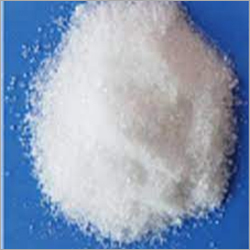
A: BHA appears as a white or almost white crystalline powder or flakes, with a mild, characteristic odor and taste. It is slightly soluble in water but readily dissolves in alcohol, fats, and oils, facilitating its incorporation into various formulations.

 08045800156



 Send Inquiry
 Send Inquiry
 Send SMS
 Call Me Free



